The Unseen Cost of War: A Spouse’s Perspective
In a recent revelation, I stumbled upon a book chronicling my husband’s battalion and the specific mission they carried out. As I delved into their stories, I felt a surge of emotion, a catalyst for a reckoning that is both unsettling and heartbreaking.
These men, brave individuals who faced unimaginable horrors, now navigate lives often filled with chaos and turmoil. It breaks my heart to witness the deep scars that war has etched into their souls, and it compels me to reflect on the very real cost of their service.
The ripple effects of conflict go beyond the battlefield. It’s not merely about lives lost—be they military or civilian. It’s about the unseen costs: shattered relationships, lost futures, dashed hopes, and dreams cast aside. The psychological undoing these men experience seeps into every facet of their lives, impacting not just them but everyone they touch—their families, their friends, and their communities.
What strikes me most is how support for these heroes, and for the families who stand by them, often feels just out of reach. Why is it that the systems meant to help are so inaccessible? Why does it seem so challenging for families to find the resources and understanding they desperately need?
This feeling of helplessness is something I know many partners share. We love these extraordinary individuals, yet at times, we feel like we’re fighting an uphill battle against invisible enemies—PTSD, isolation, trauma.
There are moments when I wish for a community, a network of support to guide us through this labyrinth of pain and uncertainty. Support systems can often feel inadequate, leaving families like ours to grapple with a “new normal” alone.
As we navigate this journey, it’s essential to acknowledge the heavy burden our veterans carry and the emotional toll it takes on us as partners. We deserve to be heard, to find solace in shared experiences, and to seek access to the support that should be readily available.
If you’re a partner of someone with PTSD (Post-Traumatic Stress Disorder), you might often feel like you’re navigating a minefield. The journey can be overwhelming, filled with moments that leave you questioning your sanity, your strength, and sometimes even your love.
The Reality of Daily Life
Does it feel like every day is set on repeat, a Groundhog Day of challenges and fears? You wake up next to someone who may be a shadow of the person you fell in love with. Perhaps they insist on turning every moment into a combat zone, making it difficult to find normalcy. You may find yourself wishing for the peace that seems just out of reach.
The Weight of Responsibility
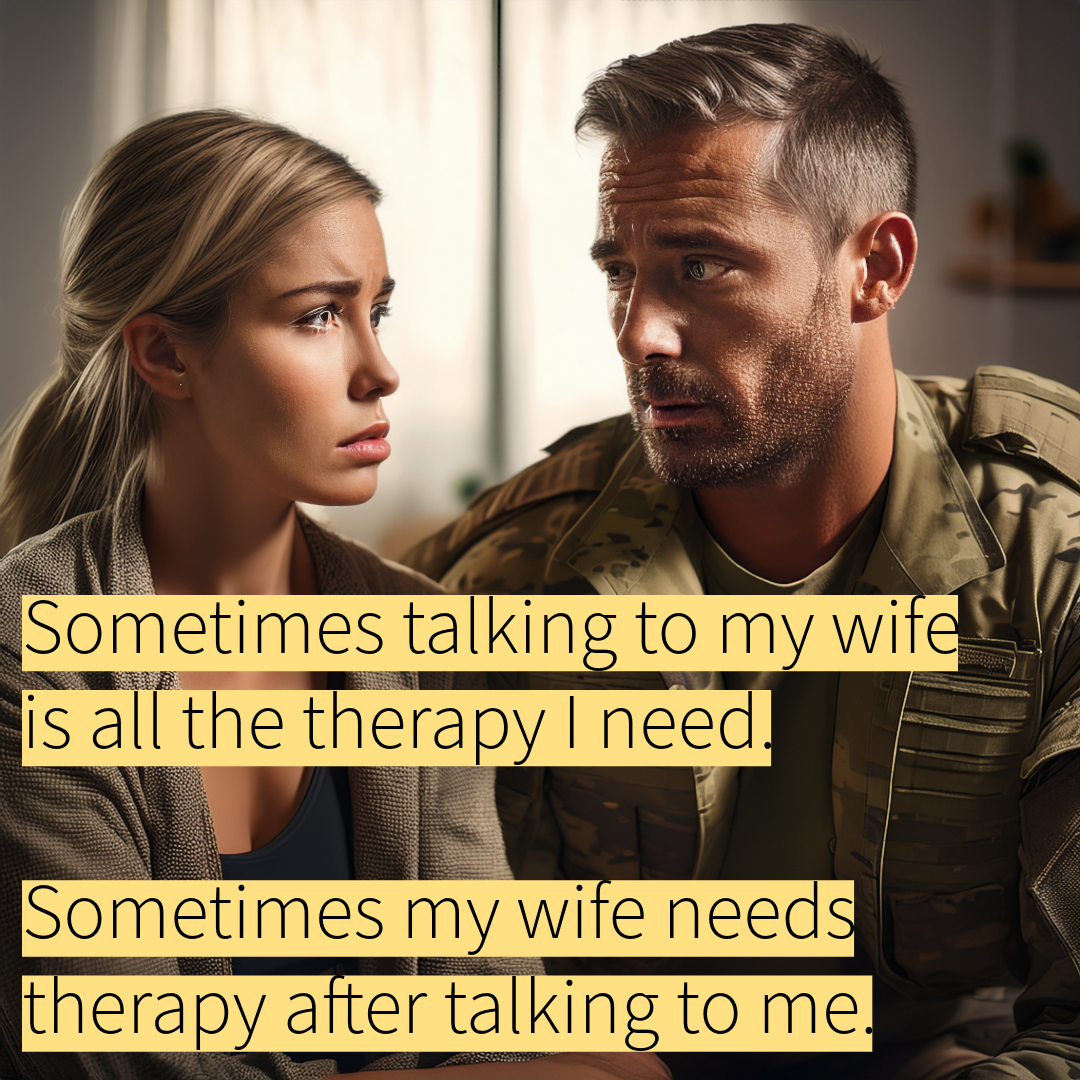
There are days when you feel like the sole therapist, the steady anchor holding your spouse together. You listen to their war stories at night, wrestling with your own emotions and trying to understand a world you haven’t lived. But as you support them, it’s not uncommon to face misunderstandings and be verbally accosted, as they struggle to articulate their internal battles.
The Search for Solutions
You might wonder if there are answers, if there’s a guidebook that could help navigate this tumultuous journey. Unfortunately, many of us find there are no easy solutions. Instead, we show up every day, trying to live our lives the best we can, often praying for peace and resolution amidst the chaos.
Feeling Isolated
The isolation can be suffocating. You might feel ostracized by family for not being able to “handle” the situation or find yourself grappling with feelings of inadequacy. It’s crucial to remind yourself that you are not alone in this journey. Many others understand the burden and weight you carry, and there are communities out there that can provide support and understanding.
Finding Your Own Space
As difficult as it is, self-care is not selfish. Establishing boundaries for your well-being can be a lifeline in this struggle. Whether it’s joining a support group, turning to creative outlets like writing, or finding small moments for yourself, every step toward self-affirmation is a step toward healing.
Embracing the Journey Together
Healing is not linear. Although the road may be filled with uncertainty, it’s essential to remember that showing up for each other is a form of love. Allow yourself to grieve what you’ve lost while celebrating the strength you gain from each day.
Partners of individuals with PTSD face a myriad of challenges that can significantly affect their emotional well-being and daily life. Here are some of the most common challenges:
- Emotional Turmoil
- Feelings of Helplessness: It can be heartbreaking to see a loved one struggle, leading to feelings of inadequacy or helplessness.
- Fear and Anxiety: Constant worry about your partner’s mental state and possible outbursts can create high levels of anxiety.
- Communication Barriers
- Difficulty Expressing Feelings: Many partners may find it hard to communicate their own emotions or needs, as they focus on their partner’s experiences.
- Understanding Triggers: Partners often face challenges in identifying what triggers their loved one’s PTSD symptoms, making communication difficult.
- Social Isolation
- Feeling Alone: Many partners feel isolated from friends and family who may not understand PTSD, leading to loneliness.
- Avoiding Social Situations: Some may avoid social gatherings due to fear of triggering their partner’s symptoms or embarrassment about their behavior.
- Caregiver Fatigue
- Emotional Exhaustion: Acting as a primary support system can lead to caregiver fatigue, where the constant emotional demands become overwhelming.
- Burnout: The pressure to be constantly available and supportive can cause chronic stress and lead to burnout.
- Altered Relationship Dynamics
- Change in Roles: The dynamic of the relationship may shift, with one partner taking on more responsibility, which can create resentment or imbalance.
- Intimacy Struggles: Difficulties with physical and emotional intimacy can arise due to PTSD symptoms, leading to frustration and feelings of distance.
- Lack of Support
- Feeling Ostracized: Partners may feel judged or blamed by family or friends who don’t understand PTSD or the complexities involved.
- Limited Access to Resources: With a lack of resources or support networks, partners can struggle to find help or guidance for themselves.
- Economic Strains
- Financial Stress: Managing therapy costs, medical bills, or job loss related to PTSD can create significant financial burdens.
- Mental Health Impact
- Impact on Own Mental Health: The stress of living with a partner with PTSD can lead to anxiety, depression, or other mental health issues for the partner.
- Navigating Treatment Options
- Resistance to Help: Partners may struggle with encouraging their loved one to seek treatment or accept help, especially if the individual is resistant to therapy.
- Unsure of Best Practices: Knowing how to best support a partner in seeking help can be confusing and daunting.
Conclusion
Navigating a relationship where one partner has PTSD is challenging, but it’s important to remember that support, understanding, and self-care are vital for both partners. Open communication, seeking help from support groups, and prioritizing personal well-being can make a significant difference.
You are not alone in this fight. Share your story, connect with others, and remember—that love can withstand even the mightiest storms. 🌈❤️
Leave a Reply